Status Partners with the team behind the programming language Nim
To bolster research efforts for Nimbus – a sharding client for Ethereum – status.im have partnered with the core team developing the Nim programming language


Where the Status community shares long form articles, thoughts, and ideas.
To bolster research efforts for Nimbus – a sharding client for Ethereum – status.im have partnered with the core team developing the Nim programming language
It is the size, diversity, and kindness of the community that sets Ethereum apart from other cryptocurrencies. We want to #buidl truly decentralized services that


Technikon comes from the Greek, and is the noun use of the neuter of tekhnikos, meaning ‘relating to skills’. This site ought to be all
Igo Mandrigin walks us through how status-go interacts with Ethereum.


In this video, Blockchain engineer Dan Lipert installs the Ethereum programming framework and toolset Embark and sets up a demo application.

A large part of what makes possible "magic internet money" occurs deep down where most people will never see it - in the actual clients. We hosted all the developers in Berlin. Find out what went down.
This Ideajam turned into more of a Q&A about how DAOs work and what that might look like for Status.

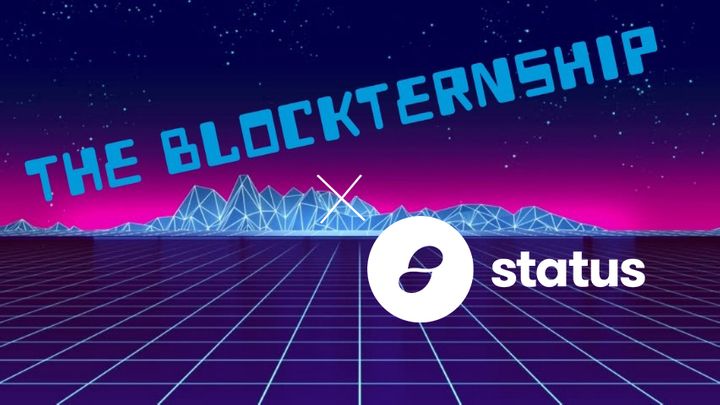
Winners of the Giveth Social Coding Blockternship will win some ETH and be automatically accepted to attend the Status Hackathon Our friends over at Giveth

"I made it religious because I really really like religion, except for the part where it's wrong." -- Scott Alexander

Cryptoeconomics is about creating systems with certain desired properties. We do this with two tools: cryptography and economics. This is a layman’s introduction and motivation.
Stablecoins are essential to accelerate mass adoption of crypto. Status should remain neutral and enable all ERC-20 stablecoins simultaneously and not endorse any single stablecoin implementation.

We'd like to share the Very Big Things we often discuss with people in a personal, unfiltered way.



I promised some friends that I would give it a rest for a while, but there are a few, last things I'd still

How could we develop norms that nurture individual responsibility and accountability in a decentralized environment? How do you look for directions and work to do in a environment where nobody is in charge?
I've written down some raw notes about the swarm conference talks. Here are some highlights that i think are relevant for status research